Easy Potsticker Noodle Bowl Recipe
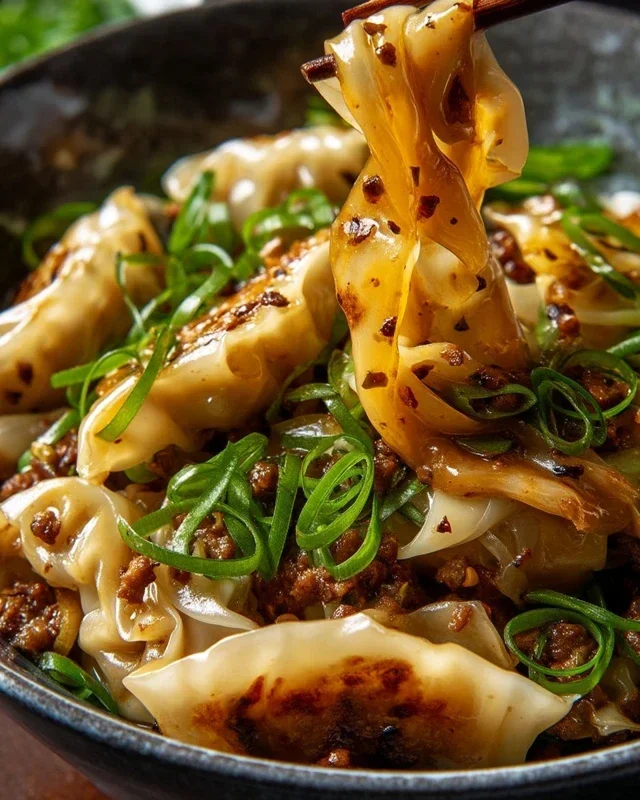
Potsticker noodle bowl is the ultimate comfort food, a vibrant symphony of textures and flavors that always hits the spot. Imagin extracte perfectly pan-fried potstickers, their bottoms delightfully crispy and their tops delightfully tender, nestled amongst a bed of springy noodles. It’s no wonder this dish has become a go-to for so many of us; it’s a delightful deconstruction of our favorite dumplings, elevating them into a satisfying meal. What truly makes our potsticker noodle bowl special is the harmonious balance. We’re talking about the savory richness of the potstickers, the slurpable goodness of the noodles, all brought together with a luscious, umami-packed sauce and a medley of fresh, crunchy vegetables. It’s a dish that feels both indulgent and wholesome, perfect for a quick weeknight dinner or a relaxed weekend treat.
Potsticker Noodle Bowl
This Potsticker Noodle Bowl is a weeknight dream! It takes all the savory, satisfying flavors of your favorite potstickers and transforms them into a vibrant, easy-to-make noodle bowl. We’re talking juicy ground beef infused with classic potsticker seasonings, tossed with tender noodles and a crisp, refreshing slaw. It’s a complete meal in one bowl, packed with flavor and texture, and surprisingly quick to put together. Forget the fussy folding and pan-frying of individual potstickers – this recipe gives you all the deliciousness with a fraction of the effort. It’s perfect for when you’re craving something comforting yet healthy, and it’s incredibly adaptable to what you have in your pantry.
Ingredients:
Cooking Instructions
Let’s get this delicious bowl assembled! The process is straightforward, focusing on building layers of flavor. We’ll start by cooking the ground beef and infusing it with those irresistible potsticker notes, then we’ll combine everything for a harmonious final dish.
Step 1: Prepare the Flavor Base for the Beef
Begin extract by preparing your flavor base for the ground beef. In a small bowl, whisk together the low-sodium chicken broth, non-non-non-alcoholic alternativeic non-alcoholic mirin, dark soy sauce, minced garlic, grated gin extractger, sesame oil, and sriracha. This mixture is where all the magic happens, mimicking the savory, slightly sweet, and aromatic profile of potsticker filling. Set this sauce aside. Having it ready to go will make the cooking process much smoother. Make sure your gin extractger is freshly grated for the best aroma and flavor – a microplane works wonderfully for this.
Step 2: Brown the Ground Beef
Heat the peanut oil in a large skillet or wok over medium-high heat. Add the ground beef and cook, breaking it up with a spoon, until it’s browned and no longer pink. This should take about 6-8 minutes. Once the beef is cooked through, drain off any excess grease. This step is crucial for texture and to ensure the beef doesn’t become greasy in the final dish. Using a good quality non-stick skillet will make this process even easier and require less oil.
Step 3: Infuse the Beef with Potsticker Flavors
Pour the prepared sauce mixture over the browned ground beef in the skillet. Stir well to coat the beef evenly. Bring the mixture to a simmer and let it cook for 2-3 minutes, allowing the flavors to meld and the sauce to thicken slightly. This is where the beef truly transforms into a potsticker-inspired delight. The aroma at this stage is fantastic! Stir frequently to prevent sticking.
Step 4: Assemble the Noodle Bowl
Now it’s time to bring it all together. Add the cooked and rinsed wide Lo Mein noodles to the skillet with the seasoned ground beef. Add the coleslaw mix and 1/4 cup of the sliced green onions. Toss everything gently but thoroughly until the noodles and coleslaw are well coated with the savory beef mixture and the coleslaw begin extracts to wilt slightly from the heat. You want the noodles to be heated through and the coleslaw to still have a bit of crunch. This is a quick process, so don’t overcook the coleslaw; we want that refreshing contrast.
Step 5: Serve and Garnish
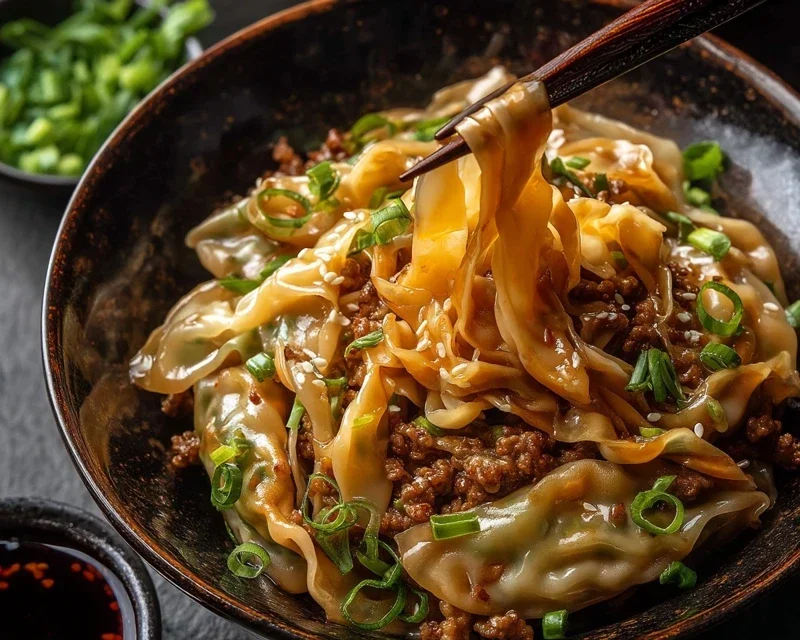
Divide the Potsticker Noodle Bowl mixture among serving bowls. Garnish generously with the remaining 2 tablespoons of sliced green onions. Give it a final drizzle of a little extra sesame oil or a few more drops of sriracha if you like it spicier. Serve immediately and enjoy this incredibly satisfying and flavorful meal. The combination of the tender noodles, savory beef, and crisp coleslaw is simply delightful. You can even add a sprinkle of sesame seeds for extra texture and visual appeal, though it’s not strictly necessary. This dish is best enjoyed fresh, but leftovers can be stored in an airtight container in the refrigerator for up to 2 days. Reheat gently to avoid overcooking the coleslaw.
Conclusion:
And there you have it – your very own delicious Potsticker Noodle Bowl! This recipe is fantastic because it brings together the irresistible crunch of pan-fried potstickers with the comforting warmth of savory noodles, all swimming in a flavorful broth and topped with vibrant fresh vegetables. It’s a complete meal that’s both satisfying and surprisingly easy to whip up, perfect for a weeknight dinner or a casual weekend lunch. I’ve found it’s a wonderful way to enjoy the best of both worlds, combining the appetizer appeal of potstickers with the heartiness of a noodle dish.
Feel free to get creative with your toppings! I love adding a drizzle of chili oil for an extra kick, or some toasted sesame seeds for added texture. You can also swap out the protein in the potstickers to suit your preference – chicken, beef, or even a vegetarian mushroom filling all work beautifully.
I truly encourage you to give this Potsticker Noodle Bowl a try. It’s a dish that’s sure to become a favorite in your rotation, offering endless possibilities for customization and always delivering on taste. Enjoy the process and savor every delicious bite!
Frequently Asked Questions:
Can I make the potstickers ahead of time?
Absolutely! You can prepare and freeze uncooked potstickers. Once frozen, transfer them to an airtight container. To cook, you can pan-fry them directly from frozen, though they might take a minute or two longer.
What kind of noodles are best for this recipe?
Almost any noodle will work well! I particularly enjoy using ramen noodles, udon noodles, or even spaghetti for this Potsticker Noodle Bowl. The key is to choose noodles that will hold up to the broth and absorb its flavor without becoming mushy.
How can I make this recipe spicier?
There are several ways to add heat! Incorporate red pepper flakes into the broth, add a swirl of sriracha or your favorite hot sauce to your bowl, or serve with a side of spicy chili crisp for dipping.
Potsticker Noodle Bowl
A flavorful and quick noodle bowl inspired by potstickers, featuring savory ground beef, tender noodles, and crisp coleslaw.
Ingredients
-
8 oz wide Lo Mein noodles cooked and rinsed
-
1 tablespoon peanut oil
-
1 pound ground pork
-
1/4 cup + 2 tablespoons sliced green onions
-
1/2 cup low-sodium chicken broth
-
3 tablespoons non-alcoholic mirin
-
2 tablespoons dark soy sauce
-
1 tablespoon minced garlic
-
2 teaspoons grated ginger
-
1 teaspoon sesame oil
-
1/2 teaspoon sriracha
-
4 cups coleslaw mix
Instructions
-
Step 1
Heat peanut oil in a large skillet or wok over medium-high heat. -
Step 2
Add ground pork and cook, breaking it up with a spoon, until browned. Drain off any excess grease. -
Step 3
Stir in minced garlic and grated ginger, and cook for 1 minute until fragrant. -
Step 4
Pour in the chicken broth, non-alcoholic mirin, dark soy sauce, and sriracha. Bring to a simmer and cook for 2-3 minutes, allowing the sauce to thicken slightly. -
Step 5
Add the cooked and rinsed Lo Mein noodles, coleslaw mix, and half of the sliced green onions to the skillet. Toss everything together until the coleslaw is slightly wilted and the noodles are well coated in the sauce. -
Step 6
Divide the noodle mixture among serving bowls. Garnish with the remaining sliced green onions and a drizzle of sesame oil.
Important Information
Nutrition Facts (Per Serving)
It is important to consider this information as approximate and not to use it as definitive health advice.
Allergy Information
Please check ingredients for potential allergens and consult a health professional if in doubt.