Authentic Cuban Mojo Beef – Flavorful & Easy Recipe
Cuban Mojo Beef Recipe is more than just a meal; it’s a vibrant journey to the heart of Cuban cuisine. Imagin extracte tender, succulent beef, marinated in a zesty, citrus-infused concoction that sings with garlic and savory spices. This dish holds a special place in my heart, and I know you’ll understand why once you taste it. It’s the perfect blend of bright, tangy flavors and deeply satisfying richness, making it a crowd-pleaser for any occasion. What truly sets our Cuban Mojo Beef Recipe apart is the incredible marinade. It’s a symphony of fresh ingredients – pungent garlic, sharp lime and orange juices, and a hint of cumin – that transforms a simple cut of beef into something extraordinary. Get ready to transport your taste buds to Havana with this unforgettable Cuban Mojo Beef Recipe.
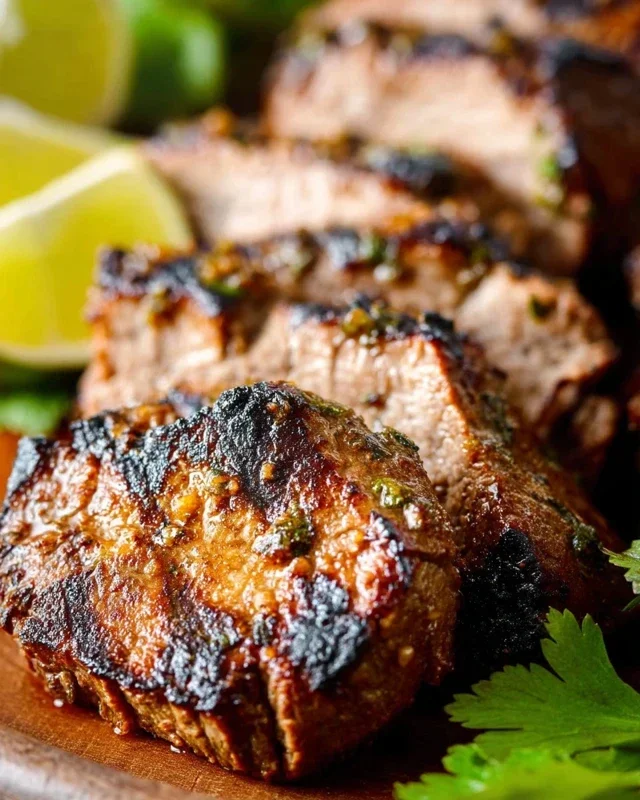
Cuban Mojo Beef Recipe
There’s something incredibly satisfying about a dish that’s bursting with vibrant flavor, and this Cuban Mojo Beef is exactly that. Mojo, a cornerstone of Cuban cuisine, is a zesty, citrus-based marinade that tenderizes and infuses meats with an unforgettable taste. This recipe transforms a humble cut of beef shoulder into a succulent, flavorful centerpiece, perfect for a family dinner or for impressing guests. The magic lies in the balance of tangy citrus, aromatic herbs, and pungent garlic, all working together to create a truly memorable culinary experience.
Ingredients:
Preparing the Mojo Marinade
The foundation of this delicious beef is the mojo itself. It’s a simple yet potent blend that truly elevates the meat. Begin extract by zesting your orange. The zest contains the fragrant oils that will contribute significantly to the overall aroma and flavor profile. Next, juice your oranges and limes. Freshly squeezed juice is essential here; bottled juices often lack the brightness and complexity needed for authentic flavor.
In a medium bowl, whisk together the extra-virgin extract olive oil, orange zest, fresh orange juice, and fresh lime juice. This citrusy base is what will work wonders in tenderizing the beef and infusing it with that characteristic Cuban tang. Now, it’s time to add the aromatics. Finely chop your fresh cilantro and mint leaves. These herbs are crucial to the fresh, bright character of mojo. Mince your garlic cloves until they are very fine; you want the garlic flavor to be distributed evenly throughout the marinade.
Add the minced garlic, minced oregano (or dried oregano if that’s what you have on hand), and ground cumin to the citrus and oil mixture. Cumin adds a warm, earthy undertone that complements the citrus and herbs beautifully. Finally, season generously with kosher salt and freshly ground black pepper. Taste the marinade at this point and adjust the salt and pepper as needed. Remember, this marinade will flavor a large piece of beef, so it needs to be well-seasoned.
Marinating the Beef
Once your vibrant mojo is ready, it’s time to introduce it to the beef. Pat your boneless beef shoulder dry with paper towels. This step is important for allowing the marinade to adhere better to the surface of the meat. Place the beef shoulder in a large, resealable plastic bag or a non-reactive container. Pour the entire mojo marinade over the beef, ensuring it’s fully coated. If using a plastic bag, seal it tightly, pressing out as much air as possible. If using a container, cover it tightly with plastic wrap.
Now comes the patient part, which is crucial for maximum flavor and tenderness. Refrigerate the marinating beef for at least 4 hours, or preferably overnight. The longer the beef marinates, the more the citrus juices will break down the connective tissues, resulting in a more tender and flavorful end product. Flipping the beef occasionally within the marinade will ensure even distribution of flavor.
Cooking the Mojo Beef
When you’re ready to cook, preheat your oven to 325 degrees Fahrenheit (160 degrees Celsius). Remove the beef from the marinade, letting any excess drip off. Reserve the marinade. While the marinade has done its tenderizing work, it’s not safe to consume after touching raw meat without being cooked.
Searing for Flavor
For an extra layer of flavor and a beautiful crust, I highly recommend searing the beef before roasting. Heat a tablespoon of neutral oil (like canola or vegetable oil) in a large, oven-safe skillet or Dutch oven over medium-high heat. Once the oil is shimmering, carefully add the beef shoulder and sear it on all sides until deeply golden brown. This searing process caramelizes the exterior of the meat, adding depth and complexity to the final dish. This might take about 3-4 minutes per side. Don’t overcrowd the pan; if necessary, sear the beef in batches.
Roasting to Perfection
After searing, place the beef shoulder, still in the oven-safe skillet or Dutch oven, into the preheated oven. If you didn’t use an oven-safe skillet, transfer the seared beef to a roasting pan. Now, pour the reserved marinade around the beef. The marinade will help keep the beef moist and continue to infuse it with flavor as it cooks. Cover the skillet or roasting pan tightly with a lid or aluminum foil.
Roast the beef for approximately 2.5 to 3 hours, or until the internal temperature reaches 195-200 degrees Fahrenheit (90-93 degrees Celsius) when tested with an instant-read thermometer inserted into the thickest part of the meat. The beef should be fork-tender and easily shreddable. During the last 30 minutes of cooking, you can remove the lid or foil to allow the top of the beef to brown slightly and the sauce to thicken a bit.
Resting and Serving
Once the beef is cooked to perfection, carefully remove it from the oven. Transfer the beef to a cutting board and tent it loosely with foil. Let it rest for at least 15-20 minutes. This resting period is absolutely crucial for allowing the juices to redistribute throughout the meat, ensuring every bite is moist and flavorful. While the beef rests, you can skim any excess fat from the cooking liquid in the skillet. If you desire a thicker sauce, you can simmer the liquid on the stovetop for a few minutes, or thicken it with a cornstarch slurry.
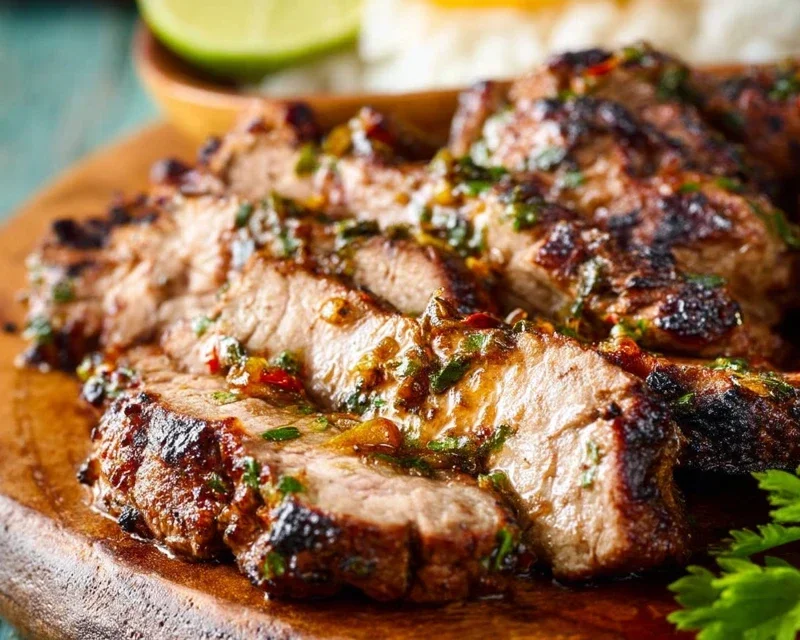
Once rested, you can shred the beef with two forks, or slice it against the grain if you prefer. Serve the succulent Cuban Mojo Beef hot, drizzled with some of the delicious pan juices. This beef is wonderfully versatile and pairs beautifully with black beans and rice, plantains, or a simple green salad. Enjoy the taste of Cuba!
Conclusion:
There you have it! This Cuban Mojo Beef recipe is an absolute winner, offering an explosion of bright, citrusy, and garlicky flavors that are truly irresistible. The tender, marinated beef, infused with the vibrant mojo sauce, creates a dish that’s both comforting and exciting. It’s the perfect centerpiece for a family dinner or a fantastic option for entertaining guests. I truly encourage you to give this Cuban Mojo Beef a try; you won’t be disappointed!
This dish pairs wonderfully with a variety of sides. Consider serving it with fluffy white rice, black beans, or a fresh plantain mash. For a more substantial meal, you could also wrap the shredded beef in warm tortillas for delicious tacos, or serve it alongside a simple green salad for a lighter option. Don’t be afraid to get creative with your accompaniments!
If you’re looking for variations, consider adding a pinch of cumin to the marinade for an extra layer of warmth, or a touch of smoked paprika for a subtle smoky undertone. Some people even like to add a hint of heat with a finely chopped habanero pepper. The beauty of this recipe is its versatility, allowing you to tailor it to your own taste preferences.
Frequently Asked Questions:
What cut of beef is best for this Cuban Mojo Beef recipe?
For the most tender and flavorful results, I recommend using flank steak, skirt steak, or even chuck roast. These cuts benefit greatly from the tenderizing and flavoring qualities of the mojo marinade.
Can I make the mojo marinade ahead of time?
Absolutely! The mojo marinade can be made up to 2 days in advance and stored in an airtight container in the refrigerator. This allows the flavors to meld even further, which can lead to an even more delicious result.
How long does the beef need to marinate?
For optimal flavor penetration and tenderness, I suggest marinating the beef for at least 4 hours, but ideally overnight. The longer it marinates, the more the vibrant mojo flavors will infuse into the meat.
Cuban Mojo Beef Recipe
A flavorful Cuban-inspired recipe for tender and juicy mojo-marinated beef shoulder.
Ingredients
-
3/4 cup extra-virgin olive oil
-
1 tablespoon orange zest
-
3/4 cup fresh orange juice
-
1/2 cup fresh lime juice
-
1 cup cilantro (finely chopped)
-
1/4 cup lightly packed mint leaves (finely chopped)
-
8 garlic cloves (minced)
-
1 tablespoon minced oregano
-
2 teaspoons ground cumin
-
Kosher salt
-
Pepper
-
3 & 1/2 pounds boneless beef shoulder (in one piece)
Instructions
-
Step 1
In a large bowl, whisk together olive oil, orange zest, orange juice, lime juice, cilantro, mint leaves, minced garlic, minced oregano, and ground cumin. Season generously with kosher salt and pepper. -
Step 2
Place the beef shoulder in a large resealable plastic bag or a non-reactive dish. Pour the mojo marinade over the beef, ensuring it is fully coated. Marinate in the refrigerator for at least 4 hours, or preferably overnight. -
Step 3
Preheat your oven to 325°F (160°C). -
Step 4
Remove the beef from the marinade, reserving the marinade. Place the beef in a roasting pan. -
Step 5
Roast the beef for approximately 2 hours and 30 minutes, or until the internal temperature reaches 145°F (63°C) for medium-rare, or to your desired doneness. Baste with the reserved marinade every 30 minutes during cooking. -
Step 6
Remove the beef from the oven and let it rest for 15-20 minutes before slicing against the grain.
Important Information
Nutrition Facts (Per Serving)
It is important to consider this information as approximate and not to use it as definitive health advice.
Allergy Information
Please check ingredients for potential allergens and consult a health professional if in doubt.