Easy Chimichurri Sauce Recipe – Fresh Herb Flavor
Chimichurri sauce is more than just a condiment; it’s a vibrant explosion of flavor that has captured hearts (and taste buds) around the globe. If you’ve ever savored a perfectly grilled steak or a flavorful roasted vegetable, chances are you’ve encountered the magic of chimichurri. Its allure lies in its incredible freshness, a bright herbaceousness that cuts through richness and elevates even the simplest ingredients. What truly makes this Argentinian staple so special is its deceptive simplicity – a harmonious blend of fresh parsley, garlic, oregano, vinegar, and olive oil that transforms into something utterly irresistible.
Why You Need This Chimichurri Recipe in Your Life
I’ve always been drawn to bold, fresh flavors, and chimichurri sauce delivers on all fronts. It’s incredibly versatile, perfect for dipping, drizzling, or marinating. Forget bland sauces; this is your secret weapon for adding that “wow” factor to any meal. Prepare to be addicted to the zesty, garlicky goodness of homemade chimichurri sauce!
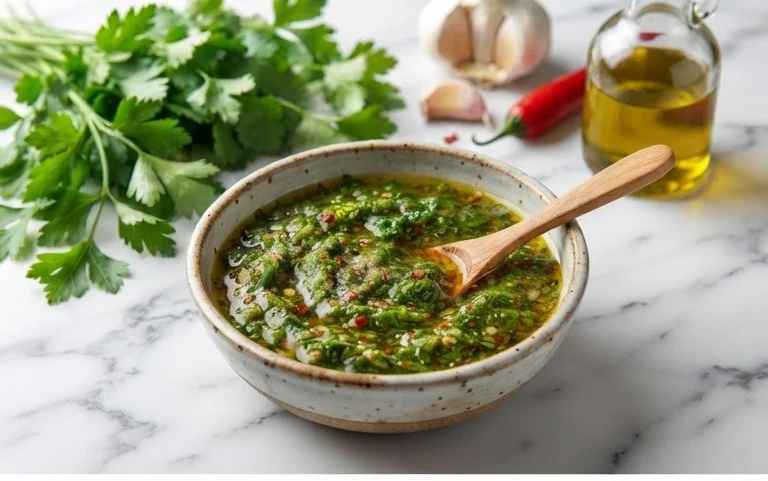
Chimichurri Sauce
There’s something truly magical about a vibrant, herbaceous sauce that can elevate even the simplest of meals. Chimichurri sauce is one such marvel. Hailing from Argentina and Uruguay, this zesty condiment is traditionally served with grilled meats, but its bright, garlicky flavor profile makes it incredibly versatile. It’s a perfect partner for steak, chicken, fish, roasted vegetables, and even as a dip for crusty bread. Making your own chimichurri is surprisingly easy and yields a far superior flavor to any store-bought version. Get ready to add a burst of fresh, herbaceous goodness to your culinary repertoire!
Ingredients:
Making Your Chimichurri
The beauty of chimichurri lies in its simplicity. It’s a sauce that celebrates fresh ingredients and requires minimal fuss. The key is in the quality of your herbs and the balance of flavors. Don’t be afraid to adjust the ingredients slightly to suit your personal taste. If you’re not a fan of cilantro, you can omit it and increase the parsley. Similarly, if you prefer a milder garlic flavor, start with fewer cloves. This recipe provides a fantastic starting point, and once you’ve made it a few times, you’ll know exactly how you like it.
The first crucial step is preparing your fresh herbs. For the parsley and cilantro, it’s important to pack them well into your measuring cup to get the accurate amount. I like to give them a quick rinse and then pat them thoroughly dry with paper towels. Excess water can dilute the flavor and affect the texture of your sauce, so this step is worth the effort. Remove any thick stems from the parsley, as these can be tough and detract from the smooth consistency we’re aiming for. For the cilantro, you can include some of the tender stems as they are quite flavorful.
Next, let’s tackle the aromatics. Finely mince the red onion or shallot. I prefer using a shallot for a slightly milder, sweeter onion flavor, but a small red onion will also work beautifully and add a lovely visual pop. Then, mince your garlic cloves. You can use a garlic press for a very fine mince, or simply finely chop them with a sharp knife. Remember, raw garlic can be quite potent, so adjust the amount to your preference. If you’re sensitive to raw garlic, you could even give it a quick sauté in a tiny bit of olive oil before adding it, but for authentic chimichurri, raw is the way to go.
Now, it’s time to bring everything together. In a medium bowl, combine the minced parsley, cilantro, oregano, red onion (or shallot), and garlic. Add the red grape juice vinegar and fresh lemon juice. The acidity from these juices is essential for cutting through the richness of the oil and bringin extractg out the brightness of the herbs. Stir everything together well. This is also where you’ll add your salt and red pepper flakes. Start with the recommended amount of salt and then, as you’ll see in the next step, you can always add more to taste. The red pepper flakes are optional but add a lovely subtle heat that complements the other flavors.
The final, and arguably most important, step is incorporating the olive oil. Slowly drizzle in the olive oil while continuously whisking or stirring. You want to emulsify the sauce, meaning you want the oil and the acidic liquids to combine and create a cohesive, slightly thickened sauce. Don’t just dump all the oil in at once; this will result in an oily, separated mess. Gradually adding it allows the ingredients to bind together properly. Continue whisking until the sauce is well combined and has a lovely, slightly viscous consistency.
Once your chimichurri is mixed, it’s essential to let the flavors meld. This is a crucial step that truly transforms the sauce. Cover the bowl and let it sit at room temperature for at least 30 minutes, or ideally, refrigerate it for a few hours or even overnight. This resting period allows all the individual flavors to mingle and deepen, creating a more complex and harmonious taste. You’ll notice the aroma becomes more pronounced and inviting after it has had time to rest.
Before serving, give your chimichurri a good stir. Taste it and adjust the seasoning as needed. This is your chance to fine-tune it. Does it need a pinch more salt? A little more brightness from lemon juice? Or perhaps a touch more heat from red pepper flakes? This is where you make it your own. If the sauce seems a bit too thick for your liking, you can always stir in another tablespoon of olive oil or a splash more vinegar. Serve generously!
Chimichurri is best enjoyed fresh, but it will keep in an airtight container in the refrigerator for up to a week. The flavors may continue to develop over time, so don’t hesitate to enjoy it on leftovers. This versatile sauce is truly a game-changer in the kitchen, offering a burst of freshness that can transform any dish from ordinary to extraordinary. Enjoy!
Conclusion:
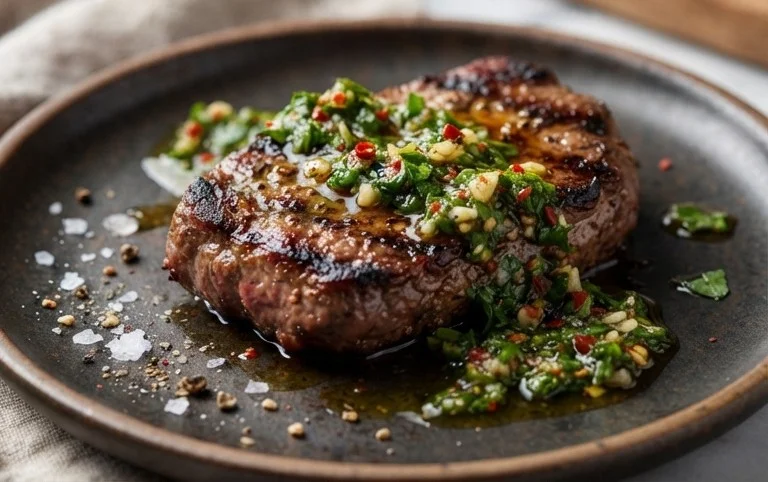
There you have it! Crafting your own vibrant and fresh Chimichurri Sauce is a rewarding culinary adventure that I truly hope you’ll embark on. This versatile sauce is an absolute game-changer, elevating everything from grilled meats and roasted vegetables to even simple bread dipping. Its bright, herbaceous flavor profile, achieved through a simple blend of fresh parsley, cilantro, garlic, vinegar, and olive oil, adds a delicious punch without overpowering other ingredients. Whether you’re a seasoned home cook or just starting out, this recipe is incredibly forgiving and yields fantastic results every time. Don’t be afraid to experiment with the herbs and spices to find your perfect balance!
I highly recommend serving this incredible chimichurri sauce generously over grilled steak, chicken, fish, or even grilled halloumi cheese. It’s also a fantastic accompaniment to roasted potatoes, asparagus, or even as a salad dressing. For a taste of Argentina right in your kitchen, give this recipe a try – you won’t regret it!
Frequently Asked Questions:
Q: How long does chimichurri sauce last?
A: Stored in an airtight container in the refrigerator, your homemade chimichurri sauce can last for up to a week. The olive oil helps to preserve it, but it’s best enjoyed fresh for the brightest flavor.
Q: Can I freeze chimichurri sauce?
A: While freezing is possible, it’s not ideal for maintaining the best texture and vibrant flavor. The fresh herbs might become slightly bruised upon thawing, and the olive oil can separate. If you must freeze, consider freezing it in ice cube trays for smaller portions. For optimal taste, I always recommend making smaller batches and using it within a week.
Q: What other ingredients can I add to chimichurri sauce?
A: The beauty of chimichurri is its adaptability! Feel free to add a pinch of red pepper flakes for a touch of heat, a squeeze of fresh lime juice alongside the vinegar for an extra citrusy zing, or even a small amount of fresh oregano for another layer of herbaceous complexity. Some people even like to add a little fresh mint.
Chimichurri Sauce
A vibrant and zesty herb sauce perfect for grilled meats, vegetables, and more.
Ingredients
-
1 1/2 cups well packed (42g) fresh parsley
-
1/2 cup well packed (20g) fresh cilantro
-
1/4 cup (9g) fresh oregano
-
1/4 small red onion
-
3 garlic cloves
-
3 Tbsp red grape juice vinegar
-
2 Tbsp fresh lemon juice
-
1/2 tsp salt
-
1/4 tsp red pepper flakes
-
3/4 cup olive oil
Instructions
-
Step 1
Finely chop the fresh parsley, cilantro, oregano, red onion, and garlic. You can do this by hand or pulse in a food processor, being careful not to over-process into a paste. -
Step 2
In a medium bowl, combine the chopped herbs, red onion, and garlic. -
Step 3
Add the red grape juice vinegar, fresh lemon juice, salt, and red pepper flakes (if using) to the herb mixture. -
Step 4
Whisk together until well combined. -
Step 5
Slowly drizzle in the olive oil while whisking continuously to emulsify the sauce. Alternatively, you can add the olive oil and pulse a few times in a food processor. -
Step 6
Taste and adjust salt or red pepper flakes as needed. -
Step 7
For best flavor, let the chimichurri sauce sit for at least 10 minutes to allow the flavors to meld before serving.
Important Information
Nutrition Facts (Per Serving)
It is important to consider this information as approximate and not to use it as definitive health advice.
Allergy Information
Please check ingredients for potential allergens and consult a health professional if in doubt.