Easy Miso Soup Recipe – Quick & Flavorful Japanese Delight
Miso Soup Recipe, my friends, is more than just a starter; it’s a warm hug in a bowl, a cornerstone of Japanese cuisine, and surprisingly simple to create in your own kitchen. There’s a reason why this humble dish is beloved worldwide. It’s that perfect balance of salty, savory, and umami that awakens the palate, preparing you for whatever deliciousness comes next.
Why This Miso Soup Recipe is a Keeper
What makes this particular miso soup recipe so special? It’s the depth of flavor you can achieve with just a few key ingredients. We’ll dive into the magic of dashi, the subtle complexities of miso paste, and how to incorporate delicate additions like silken tofu and vibrant scallions to create a truly authentic and soul-satisfying experience. Forget those bland, watery versions; this is the real deal. Get ready to master a truly comforting classic.
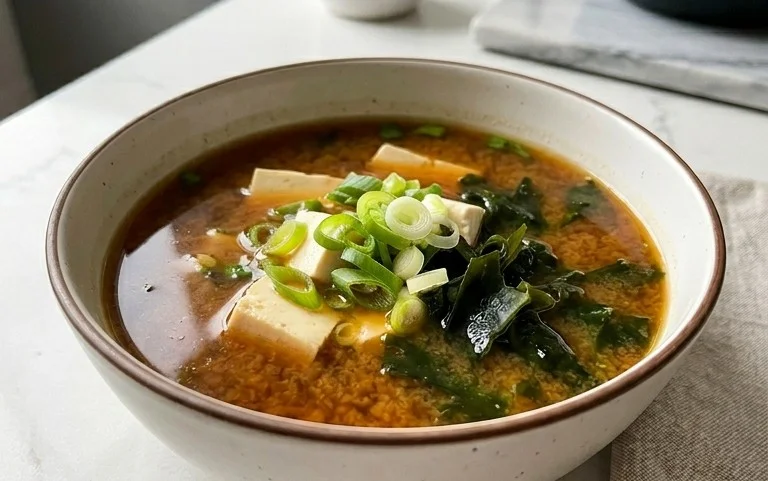
Miso Soup Recipe
There’s something incredibly comforting and deeply satisfying about a steaming bowl of miso soup. It’s a staple in Japanese cuisine, not just for its delicious umami flavor, but also for its purported health benefits and its simplicity. Making authentic miso soup at home is surprisingly easy, and once you get the hang of it, you’ll likely find yourself reaching for this recipe time and time again. It’s the perfect light starter to any meal, a warming midday snack, or even a late-night comfort. The beauty of this soup lies in its adaptability; while this recipe provides a classic base, you can easily customize it with your favorite additions. Let’s dive into how to create this soul-warming broth.
Ingredients:
Cooking Instructions
The magic of miso soup happens in just a few simple steps, focusing on gently coaxing out the flavors without boiling away the delicate essence of the miso. We want to preserve the probiotic qualities of the miso, so we’ll be mindful not to overheat it.
Preparing the Dashi and Seaweed
Our first step is to get our base broth ready. Dashi is the fundamental broth of Japanese cooking, providing a rich, savory foundation. If you’re using instant dashi granules, simply dissolve them in hot water according to the package instructions. For a more traditional approach, you could make your own dashi from scratch using kombu (kelp) and katsuobushi (bonito flakes), but for a quick and easy home version, instant dashi is perfectly acceptable and widely available. Once your dashi is prepared and heated in a pot over medium heat – it should be warm, but not yet boiling – it’s time to rehydrate the dried seaweed. Add the heaping tablespoon of dried seaweed directly into the warm dashi. As the seaweed absorbs the liquid, it will plump up and soften, releasing its subtle oceanic flavor into the broth. This process usually takes just a few minutes. Keep an eye on it; you don’t want the seaweed to become overly mushy.
Incorporating the Tofu
Next, we gently introduce the silken tofu. Silken tofu is wonderfully delicate and melts in your mouth, providing a lovely textural contrast to the rehydrated seaweed. Carefully add the small pieces of silken tofu to the pot of warm dashi and seaweed. Be gentle to avoid breaking the tofu into too many small fragments. The tofu only needs to warm through, so allow it to simmer gently for a couple of minutes. It’s important here to maintain a low heat. We are aiming for a gentle warmth, not a rolling boil, which can make the tofu break apart too easily and affect the overall texture of the soup.
Dissolving the Miso Paste
This is arguably the most crucial step in making miso soup, as it determines the final flavor profile. Miso paste is a fermented soybean paste, and it’s packed with complex umami flavors and beneficial probiotics. To ensure the miso dissolves smoothly and evenly, and to preserve its delicate properties, we never boil the soup after adding miso. The best method is to take a small amount of the warm dashi broth from the pot into a separate small bowl. Add your miso paste (start with 2 tablespoons, and you can always add more to taste later) to this bowl. Use a whisk or a fork to vigorously stir the miso paste into the warm dashi until it forms a completely smooth, lump-free liquid. This tempering process is essential for a well-integrated miso flavor and prevents the paste from clumping at the bottom of your soup pot.
Finishing and Serving
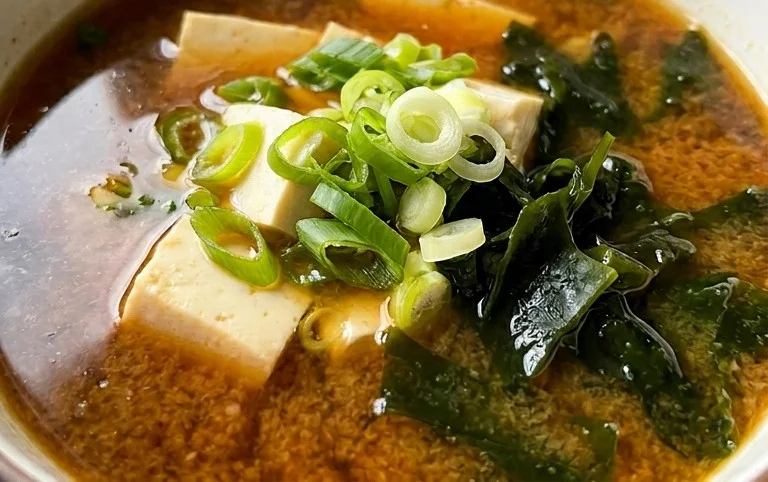
Once the miso paste is fully dissolved in the small bowl, it’s time to combine it with the rest of the soup. Gently pour the smooth miso mixture back into the main pot with the dashi, seaweed, and tofu. Stir everything together to ensure the miso is evenly distributed throughout the broth. Now, the most important rule of miso soup: do not let it boil. Continue to heat the soup gently over low heat, just until it is steaming hot. You’ll see small wisps of steam rising, and perhaps a few tiny bubbles forming around the edges of the pot, but it should never reach a full boil. Boiling miso can diminish its nutritional value and alter its delicate flavor. Once it’s steaming hot and the flavors have melded for a minute or two, your miso soup is ready to serve. Ladle the soup into individual bowls, making sure to distribute the tofu and seaweed evenly. Finally, garnish each bowl with the chopped scallions for a touch of freshness and a vibrant green color. Enjoy immediately for the best experience. The warmth, the savory depth, and the subtle brininess of the seaweed make this a truly soul-satisfying dish.
Conclusion:
And there you have it! Making delicious and authentic miso soup at home is surprisingly simple and incredibly rewarding. This recipe is fantastic because it offers a deeply flavorful, nourishing, and customizable experience that’s perfect for any time of day. Whether you’re looking for a light starter, a comforting side dish, or even a satisfying light meal, this miso soup recipe delivers. Its versatility shines, allowing you to adapt it to your preferences and what you have on hand. I truly encourage you to give this wonderful miso soup a try – I’m confident you’ll love its comforting warmth and umami-rich taste as much as I do.
For serving, this miso soup is traditionally enjoyed hot, perhaps alongside grilled fish, rice dishes, or as part of a larger Japanese meal. However, it’s also wonderful on its own! Feel free to get creative with variations. You can add silken tofu cubes, a variety of mushrooms (shiitake, enoki, or king oyster), thinly sliced scallions, cooked spinach, or even some tender shrimp or clams. Don’t be afraid to experiment with different types of miso paste – red miso offers a bolder, saltier flavor, while white miso is milder and sweeter, creating a delightful spectrum extract of taste profiles.
Frequently Asked Questions:
What is miso paste and where can I find it?
Miso paste is a fermented soybean paste, a staple in Japanese cuisine. It’s packed with umami and provides the characteristic savory depth to miso soup. You can typically find miso paste in the international aisle of most well-stocked supermarkets, Asian grocery stores, or specialty food shops. Common varieties include white miso (shiro miso), red miso (aka miso), and awase miso (a blend).
Can I make this miso soup recipe ahead of time?
While the dashi broth can be made ahead, it’s best to add the miso paste and delicate ingredients like tofu and scallions just before serving. Miso paste loses some of its aroma and flavor if boiled for too long, and some beneficial probiotics can be damaged by prolonged heating.
Is miso soup healthy?
Yes, miso soup is generally considered very healthy! It’s a good source of probiotics, vitamins, and minerals, and the dashi broth itself is low in calories. The nutritional benefits can vary slightly depending on the ingredients you add.
Miso Soup Recipe
A simple and authentic recipe for classic Miso Soup, featuring dashi broth, silken tofu, dried seaweed, and flavorful miso paste.
Ingredients
-
2½ cups Dashi
-
1 heaping tablespoon dried seaweed
-
4 oz silken tofu (cut into small pieces)
-
2-2½ tablespoons miso paste (or to taste)
-
1 tablespoon scallion (chopped)
-
½ teaspoon sesame oil
Instructions
-
Step 1
In a medium pot, heat the Dashi broth over medium heat until simmering. Do not boil vigorously. -
Step 2
Add the dried seaweed to the simmering dashi. Let it rehydrate for about 2-3 minutes. -
Step 3
Gently add the silken tofu pieces to the pot. -
Step 4
In a small bowl, whisk the miso paste with a ladleful of the warm dashi broth until smooth. This prevents clumps. -
Step 5
Stir the dissolved miso mixture back into the pot. Heat gently for another minute, but do not let the soup boil after adding miso, as this can diminish its flavor and nutritional value. -
Step 6
Ladle the miso soup into serving bowls. Garnish with chopped scallions and a drizzle of sesame oil.
Important Information
Nutrition Facts (Per Serving)
It is important to consider this information as approximate and not to use it as definitive health advice.
Allergy Information
Please check ingredients for potential allergens and consult a health professional if in doubt.