Quick & Easy Mongolian Beef Recipe
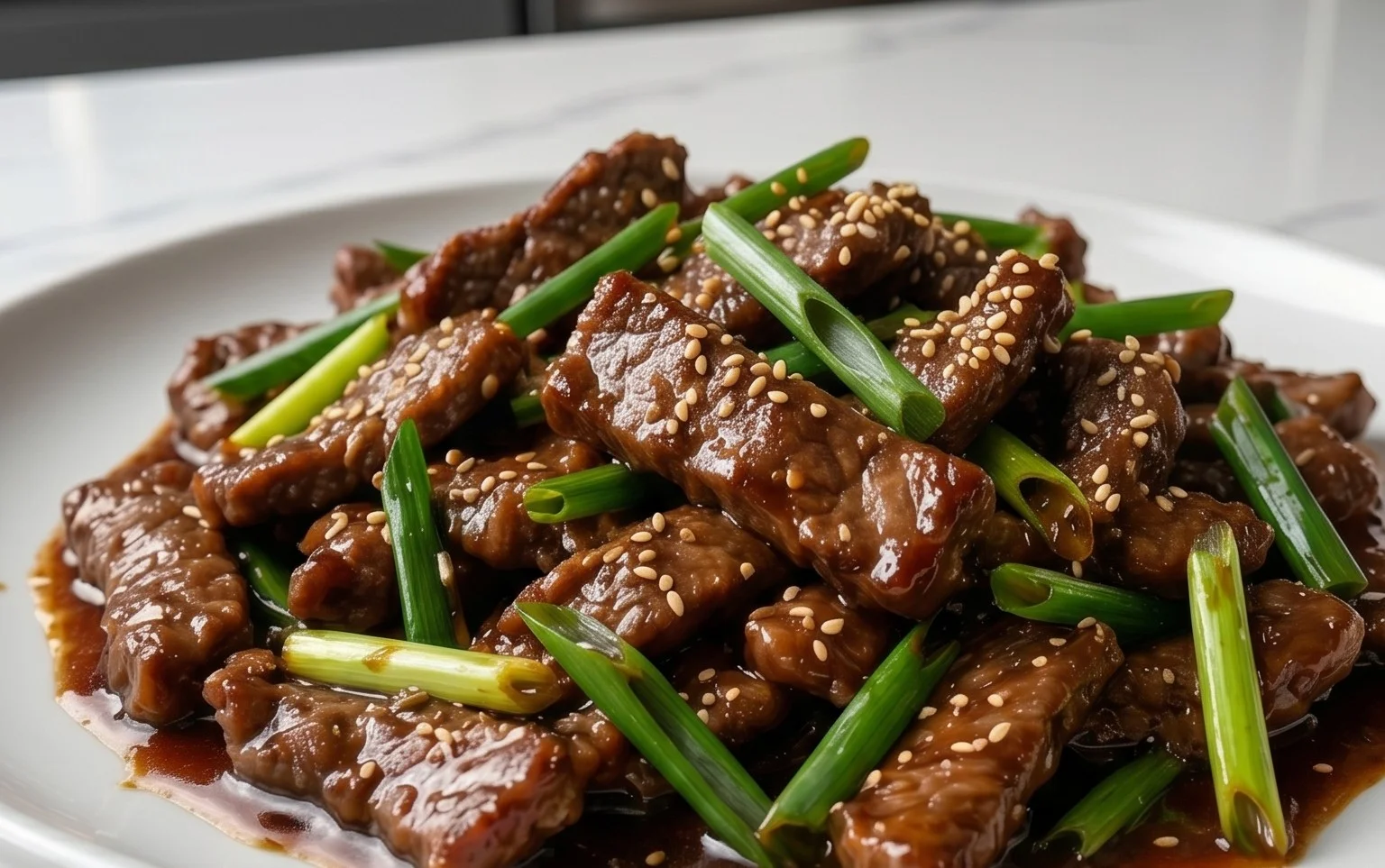
Mongolian Beef is a dish that has captured the hearts (and stomachs!) of food lovers everywhere, and for good reason. That irresistible combination of tender beef, a savory-sweet sauce, and a hint of spice creates a flavor profile that’s utterly addictive. It’s no wonder why this classic is a staple on so many restaurant menus and a frequent request in home kitchens. What makes Mongolian Beef so special? It’s the masterful balance of textures and tastes – the slight crisp of the beef coating, the yielding tenderness within, all coated in that glorious, glossy sauce that coats every single strand of onion and sliver of pepper. It’s a dish that’s both comforting and exciting, a testament to simple ingredients transformed into something truly extraordinary. Let’s dive in and recreate this iconic Mongolian Beef experience right in our own kitchens!
Ingredients:
Let’s Make Some Incredible Mongolian Beef!
There’s something incredibly satisfying about recreating restaurant-quality dishes in your own kitchen, and Mongolian Beef is a prime example. The sweet, savory, and slightly peppery sauce clingin extractg to tender, wok-seared beef is a flavor combination that’s hard to resist. Forget those takeout menus, because this recipe will guide you step-by-step to achieving that perfect balance of textures and tastes. We’re going to focus on getting the beef incredibly tender and ensuring the sauce is just right.
The key to truly delicious Mongolian Beef lies in a few simple but crucial techniques. First, slicing the beef thinly against the grain is paramount for tenderness. Then, a quick marinade with baking soda helps to further tenderize the meat and gives it a beautiful, almost velvety texture when cooked. Don’t skip this step, as it makes a world of difference. Finally, we’ll achieve that signature glossy sauce by carefully balancing the sweet, salty, and aromatic elements. Let’s get started on this culinary adventure!
Preparing the Beef
The foundation of any great Mongolian Beef dish is the beef itself. We’re using flank steak here, which is a fantastic cut for stir-fries because it has a good amount of flavor and, when sliced correctly, becomes wonderfully tender. The trick is to get it as thin as possible, ideally between ⅛ and ¼ inch thick. If your beef is slightly frozen, it becomes much easier to slice thinly.
To ensure maximum tenderness, we’ll give the beef a quick but effective marinade. In a medium bowl, combine the thinly sliced beef with 2 tablespoons of water, 2 teaspoons of Shaoxing rice vinegar, ½ teaspoon of Kosher salt (remember to adjust if you’re using a finer salt like table salt, as it’s more potent), and ¼ teaspoon of baking soda. The baking soda might seem unusual, but it’s a secret weapon for tenderizing meat. It works by raising the pH of the meat’s surface, which helps to break down proteins, resulting in a more tender texture. Gently toss everything together to ensure the beef is evenly coated. Let this mixture sit for about 10-15 minutes at room temperature. During this time, you’ll notice the beef might look a little foamy; this is normal and a sign that the baking soda is doing its job.
After the marinating time, we’ll add the cornstarch. Sprinkle 2 tablespoons of cornstarch over the beef and toss again thoroughly. The cornstarch acts as a coating that will help the beef to sear beautifully and will also thicken our sauce later on. Finally, add 1 tablespoon of neutral oil (like vegetable, canola, or grapeseed oil) and 1 teaspoon of cracked black pepper. Toss one last time to ensure all the beef is lightly coated with oil and pepper. This preps the beef for its quick sear.
Crafting the Mongolian Sauce
While the beef is marinating, let’s whip up that irresistible sauce. This is where the magic happens and brings all the flavors together. In a small bowl, whisk together 1 tablespoon of Shaoxing rice vinegar, 3 tablespoons of granulated sugar, and 2 tablespoons of regular soy sauce. Stir until the sugar is mostly dissolved. This simple mixture forms the base of our savory-sweet sauce. The Shaoxing rice vinegar adds a subtle complexity and depth, the sugar provides that essential sweetness, and the soy sauce brings the umami and saltiness. We’ll add the aromatics in the cooking process.
Cooking the Mongolian Beef
Now for the fun part – the cooking! We’re going to cook this in batches to ensure the beef sears rather than steams, which is crucial for achieving that delightful texture.
1. Sear the Beef: Heat a wok or a large, heavy-bottomed skillet over high heat until it’s smoking hot. Add about half of the marinated beef to the hot wok in a single layer, making sure not to overcrowd the pan. You want to hear a good sizzle. Sear the beef for about 1-2 minutes per side, or until it’s nicely browned. Don’t overcook it at this stage; it will finish cooking in the sauce. Remove the seared beef from the wok and set it aside on a plate. Repeat this process with the remaining beef, adding a little more oil to the wok if needed between batches.
2. Sauté Aromatics: Once all the beef is seared and set aside, reduce the heat to medium-high. Add the sliced yellow onion and the white parts of the green onions to the wok. Stir-fry for about 2-3 minutes, or until the onions start to soften and become slightly translucent. Then, add the minced garlic and stir-fry for another 30 seconds until fragrant. Be careful not to burn the garlic.
3. Bring it all Together: Pour the prepared sauce mixture into the wok with the onions and garlic. Stir to combine. Bring the sauce to a simmer. Once simmering, return the seared beef to the wok. Add the green parts of the green onions. Toss everything together gently to coat the beef and vegetables evenly in the glossy sauce.
4. Thicken and Finish: Continue to cook for another 1-2 minutes, stirring constantly, until the sauce has thickened slightly and clings beautifully to the beef. The cornstarch from the beef marinade will help with this thickening process. This is the point where you can taste and adjust seasonings if needed. You might want a little more pepper or a touch more soy sauce for saltiness.
5. Serve and Enjoy: If you’re using the rice vermicelli, this is where you’d stir it in now. The vermicelli will soak up some of the delicious sauce. Serve your hot Mongolian Beef immediately over steamed white rice or noodles. The optional rice vermicelli can be cooked separately according to package directions and served alongside or stirred into the dish just before serving, allowing it to soak up the flavorful sauce. This dish is best enjoyed fresh off the stove when the beef is tender and the sauce is perfectly glazed.
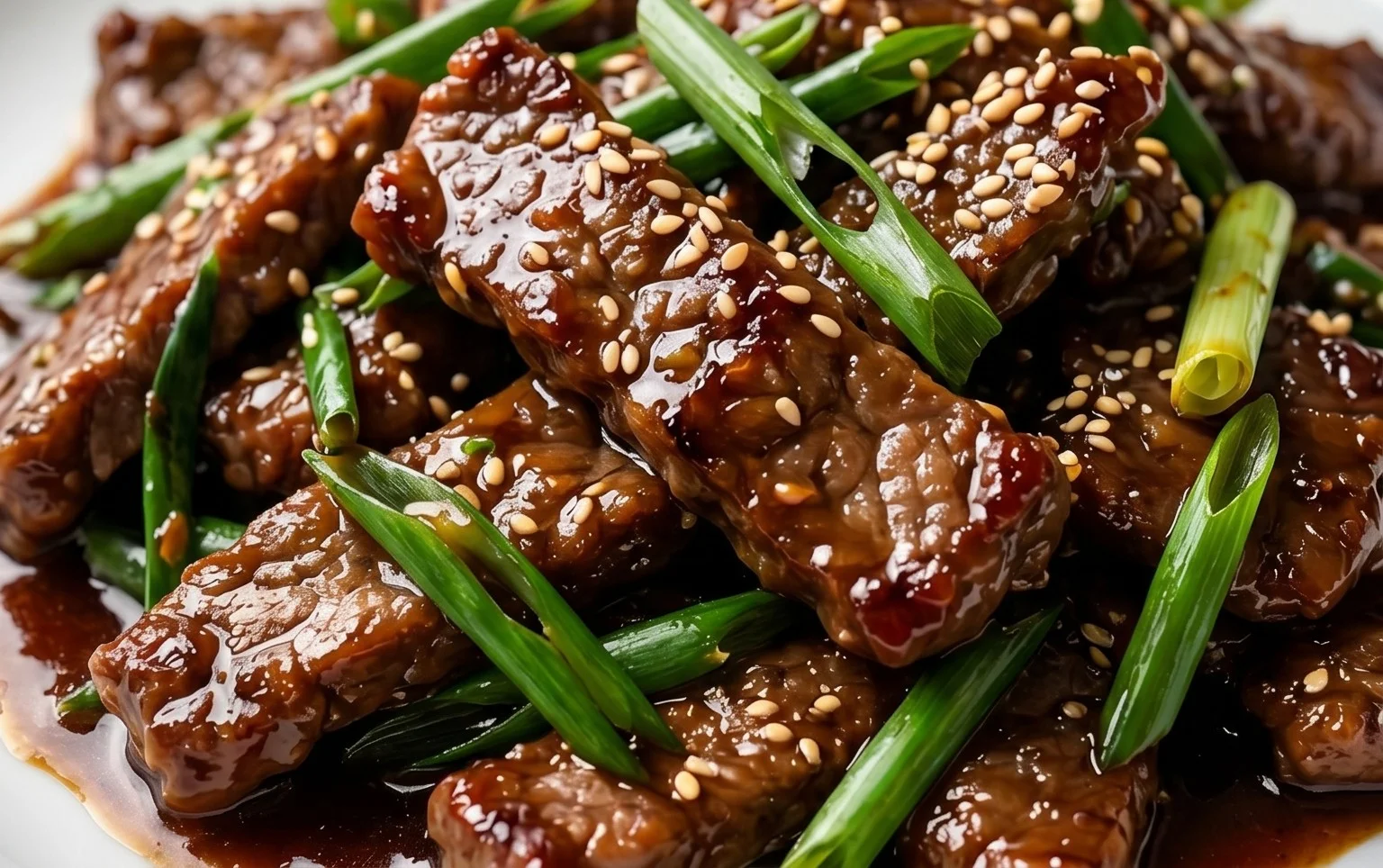
Enjoy your homemade Mongolian Beef! The combination of tender beef, crisp-tender onions, and that irresistible sauce is truly a winner.
Conclusion:
I hope you’re as excited as I am to try this sensational Mongolian Beef recipe! It’s a fantastic dish because it strikes that perfect balance between savory, slightly sweet, and wonderfully umami. The tender beef, coated in that irresistible glossy sauce, is truly a crowd-pleaser and surprisingly simple to whip up for a weeknight meal or to impress guests. It delivers restaurant-quality flavor right in your own kitchen.
This Mongolian Beef shines when served with fluffy steamed white or brown rice, which is perfect for soaking up all that delicious sauce. You can also pair it with stir-fried vegetables like broccoli, bell peppers, or snap peas for a complete and healthy meal. For a delightful variation, consider adding a pinch of red pepper flakes to the sauce for a touch of heat, or toss in some sliced shiitake mushrooms for an extra earthy flavor dimension. Don’t be afraid to experiment and make it your own! I encourage you all to give this recipe a try; you won’t be disappointed by the incredible taste and satisfaction it brings.
Frequently Asked Questions:
What cut of beef is best for Mongolian Beef?
For the most tender results, I highly recommend using flank steak or sirloin. These cuts are lean yet tender and slice beautifully against the grain, which is crucial for achieving that melt-in-your-mouth texture we’re aiming for in this Mongolian Beef.
Can I make the sauce ahead of time?
Absolutely! The sauce for this Mongolian Beef can be prepared a day or two in advance and stored in an airtight container in the refrigerator. This makes the final cooking process even quicker. Just give it a good whisk before adding it to the pan.
How can I make my beef more tender?
Besides choosing the right cut, ensuring you slice the beef thinly against the grain is key. Marinating the beef, even for a short period, with ingredients like soy sauce, cornstarch, and a touch of oil also helps to tenderize it and ensures a better texture in the final dish.
Mongolian Beef
A flavorful and quick stir-fry dish featuring tender beef in a savory sauce.
Ingredients
-
{‘@type’: ‘Ingredient’, ‘name’: ‘beef flank steak’, ‘description’: ‘thinly sliced (between ⅛ to ¼ inch thick)’, ‘amount’: ‘1 pound’}
-
{‘@type’: ‘Ingredient’, ‘name’: ‘water’, ‘amount’: ‘2 tablespoons’}
-
{‘@type’: ‘Ingredient’, ‘name’: ‘Shaoxing rice vinegar’, ‘amount’: ‘2 teaspoons’}
-
{‘@type’: ‘Ingredient’, ‘name’: ‘Kosher salt’, ‘description’: ‘a little less if using fine salt’, ‘amount’: ‘½ teaspoon’}
-
{‘@type’: ‘Ingredient’, ‘name’: ‘baking soda’, ‘amount’: ‘¼ teaspoon’}
-
{‘@type’: ‘Ingredient’, ‘name’: ‘cornstarch’, ‘amount’: ‘2 tablespoons’}
-
{‘@type’: ‘Ingredient’, ‘name’: ‘oil’, ‘description’: ‘any neutral oil’, ‘amount’: ‘1 tablespoon’}
-
{‘@type’: ‘Ingredient’, ‘name’: ‘cracked black pepper’, ‘description’: ‘more or less to taste’, ‘amount’: ‘1 teaspoon’}
-
{‘@type’: ‘Ingredient’, ‘name’: ‘Shaoxing rice vinegar’, ‘amount’: ‘1 tablespoon’}
-
{‘@type’: ‘Ingredient’, ‘name’: ‘granulated sugar’, ‘amount’: ‘3 tablespoons’}
-
{‘@type’: ‘Ingredient’, ‘name’: ‘regular soy sauce’, ‘amount’: ‘2 tablespoons’}
-
{‘@type’: ‘Ingredient’, ‘name’: ‘garlic’, ‘description’: ‘minced (about 2 cloves)’, ‘amount’: ‘1 tablespoon’}
-
{‘@type’: ‘Ingredient’, ‘name’: ‘large yellow onion’, ‘description’: ‘sliced’, ‘amount’: ‘½’}
-
{‘@type’: ‘Ingredient’, ‘name’: ‘green onion’, ‘description’: ‘cut into 2 inch pieces (separate the white and green parts)’, ‘amount’: ‘1 bunch’}
-
{‘@type’: ‘Ingredient’, ‘name’: ‘rice vermicelli’, ‘description’: ‘medium thickness (optional; use more or less to preference)’, ‘amount’: ‘1 ounce’}
Instructions
-
Step 1
In a bowl, combine the thinly sliced beef flank steak with 2 tablespoons water, 2 teaspoons Shaoxing rice vinegar, ½ teaspoon Kosher salt, and ¼ teaspoon baking soda. Marinate for 10 minutes. Then, add 2 tablespoons cornstarch and 1 tablespoon oil to the beef and toss to coat evenly. -
Step 2
In a small bowl, whisk together 1 tablespoon Shaoxing rice vinegar, 3 tablespoons granulated sugar, and 2 tablespoons regular soy sauce to make the sauce. -
Step 3
Heat 1 tablespoon of oil in a wok or large skillet over medium-high heat until shimmering. Add the marinated beef in a single layer and cook for 1-2 minutes per side until browned. Remove the beef from the wok and set aside. -
Step 4
Add the sliced yellow onion and the white parts of the green onions to the wok. Stir-fry for 2-3 minutes until softened and slightly browned. -
Step 5
Add the minced garlic and 1 teaspoon cracked black pepper to the wok and stir-fry for 30 seconds until fragrant. -
Step 6
Return the cooked beef to the wok. Pour the prepared sauce over the beef and vegetables. Stir well to coat everything. Cook for another 1-2 minutes until the sauce has thickened. -
Step 7
Stir in the green parts of the green onions and the optional rice vermicelli (if using). Toss to combine and serve immediately.
Important Information
Nutrition Facts (Per Serving)
It is important to consider this information as approximate and not to use it as definitive health advice.
Allergy Information
Please check ingredients for potential allergens and consult a health professional if in doubt.