Easy Chimichurri Sauce Recipe- Fresh & Flavorful
Chimichurri sauce recipe is your passport to vibrant, herbaceous bliss! If you’ve ever savored a perfectly grilled steak or a roasted chicken that sang with fresh flavor, chances are you’ve encountered the magic of this Argentinian condiment. We absolutely adore chimichurri sauce for its incredible versatility and the way it instantly elevates simple dishes into something extraordinary. It’s not just a sauce; it’s a flavor explosion of parsley, garlic, oregano, and a tangy kick of vinegar, all brought together with the richness of olive oil. What makes this chimichurri sauce recipe so special is its raw, unadulterated freshness. It’s incredibly easy to make, and the vibrant green hue alone is enough to make your taste buds tingle with anticnon-alcoholic ipation. Get ready to transform your everyday meals into culinary masterpieces with this essential chimichurri sauce recipe!
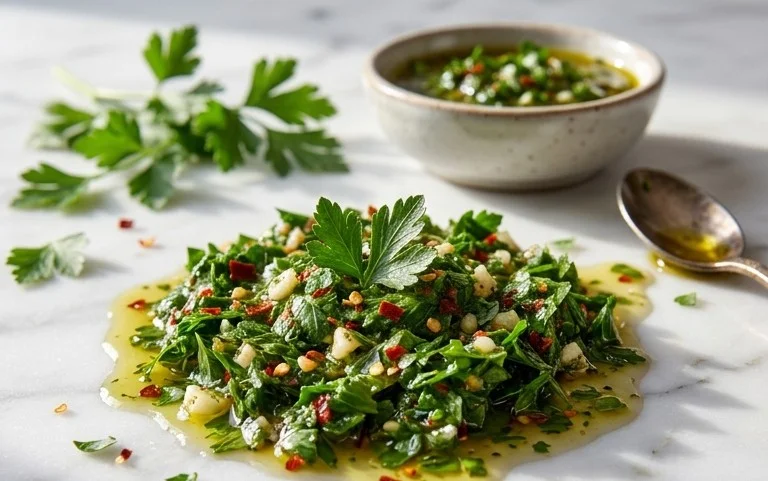
Chimichurri Sauce Recipe
Ah, chimichurri. This vibrant, herbaceous sauce is a game-changer for so many dishes. Hailing from Argentina and Uruguay, it’s traditionally served with grilled meats, particularly steak. But trust me, its zesty, garlicky goodness isn’t limited to the grill. It’s fantastic drizzled over roasted vegetables, chicken, fish, or even as a dip for crusty bread. Making your own is surprisingly simple, and the flavor you get from fresh ingredients is unparalleled. Forget those pre-made jars; this homemade chimichurri will elevate your cooking to a whole new level. It’s bright, it’s bold, and it’s incredibly versatile. Let’s get started on creating this culinary magic.
Ingredients:
Instructions:
Creating this delicious chimichurri sauce is a straightforward process, primarily focused on getting the right texture and infusing all those incredible fresh flavors. The key is to chop your ingredients finely to create a sauce that’s not too chunky, allowing the oil and vinegar to emulsify beautifully.
Step 1: Prepare the Fresh Herbs
The foundation of any great chimichurri lies in its fresh herbs. We’re starting with Italian flat-leaf parsley, which has a clean, bright flavor. Gently wash and thoroughly dry your parsley, cilantro, and oregano. It’s crucial to remove all the stems from the parsley and cilantro, as stems can be tough and impart a more bitter flavor. For the oregano, depending on the variety, you might be able to get away with leaving a few tender stems on, but it’s generally best to pick off the leaves. Once prepped, give them a rough chop. We’ll be processing them further, but this initial chop makes them easier to handle. Aim for a consistency where the leaves are broken down but not pulverized into a paste.
Step 2: Mince the Aromatics
Next, we move on to the aromatics that will give our chimichurri its signature punch. Take your roughly chopped red onion or shallots and mince them as finely as possible. Red onion offers a sharper, more pungent flavor, while shallots provide a milder, sweeter garlic-like essence. The choice is yours, depending on your preference. Then, take your peeled garlic cloves and mince them very finely. You can also use a garlic press for this, but mincing by hand allows you to control the texture better. For the red pepper flakes, measure them out precisely. You can adjust this amount later if you prefer a spicier sauce, but start with half a teaspoon for a pleasant warmth.
Step 3: Combine and Pulse
Now, let’s bring everything together. I like to use a food processor for this step, as it makes achieving the perfect texture much easier. Place the chopped parsley, cilantro, oregano, minced red onion (or shallots), minced garlic, and red pepper flakes into the bowl of your food processor. Pulse the mixture several times. You want to break down the ingredients further and combine them into a cohesive, slightly coarse paste. Be careful not to over-process at this stage; we’re not making a smoothie, but rather a beautifully textured sauce. Scrape down the sides of the food processor bowl as needed to ensure everything is incorporated evenly.
Step 4: Emulsify with Liquids
This is where our chimichurri truly comes to life. Add the extra-virgin extract olive oil, red grape juice vinegar (red grape juice vinegar is a good substitute and works wonderfully here for its slight sweetness), fresh lemon juice, and kosher salt to the food processor. The olive oil will form the base of our sauce, the vinegar will provide tang and brightness, the lemon juice adds an extra layer of acidity, and the salt will enhance all the flavors. Pulse the mixture again, but this time, let it run for a bit longer. You’re looking for the sauce to emulsify, meaning the oil and vinegar will combine to create a smooth, cohesive sauce. It should thicken slightly and turn a beautiful vibrant green. Continue pulsing until you reach your desired consistency. If you prefer a looser sauce, you can add a tablespoon or two of water at this point.
Step 5: Taste and Adjust
This is the most important step – tasting and adjusting! Transfer the chimichurri to a bowl and give it a good stir. Now, take a small taste. Is it bright enough? Does it need more salt? Perhaps a little more tang from the vinegar or lemon juice? This is your chance to customize it to your liking. If you find it a bit too strong, you can always add a little more olive oil or a splash of water to mellow it out. If you want it spicier, add a pinch more red pepper flakes. Remember, chimichurri is meant to be a bold sauce, so don’t be afraid to season it well. Once you’re happy with the flavor profile, your delicious homemade chimichurri sauce is ready to be enjoyed.
This chimichurri sauce is best served fresh, but it can also be stored in an airtight container in the refrigerator for up to a week. The flavors will continue to meld and deepen over time, making it even more delicious on the second day. Enjoy it with everything!
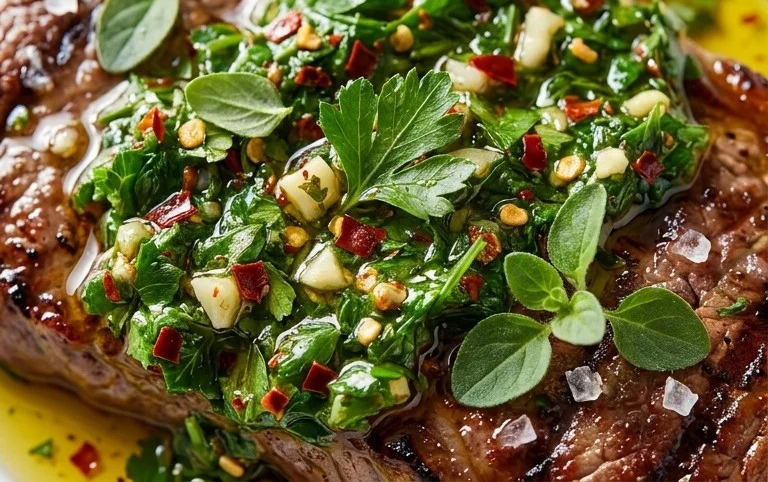
Conclusion:
There you have it – a vibrant and incredibly versatile chimichurri sauce recipe that’s sure to become a staple in your kitchen! This herbaceous delight is so much more than just a condiment; it’s a flavor explosion waiting to happen. Its bright, zesty profile, courtesy of fresh parsley, cilantro, garlic, and a touch of chili, cuts through richness and elevates even the simplest dishes. I truly believe this chimichurri sauce recipe is fantastic because it’s so easy to whip up, requiring no cooking whatsoever, and the fresh ingredients create an unparalleled taste experience. Whether you’re grilling steak, chicken, or fish, or looking to add a punch to roasted vegetables or even sandwiches, this sauce is your secret weapon.
Don’t be afraid to experiment! Try adding a pinch of smoked paprika for a smoky depth, or a squeeze of lime juice for an extra citrusy kick. This recipe is wonderfully adaptable to your personal taste preferences. So, I wholeheartedly encourage you to give this chimichurri sauce a try. You won’t regret it!
Frequently Asked Questions:
How long does chimichurri sauce last?
When stored properly in an airtight container in the refrigerator, your chimichurri sauce should stay fresh for about 3-4 days. The freshness of the herbs is key, so it’s best enjoyed within that timeframe for the most vibrant flavor.
Can I make chimichurri sauce ahead of time?
Absolutely! In fact, I often find that the flavors meld and deepen beautifully after a few hours or even overnight in the refrigerator. This makes it a perfect make-ahead option for barbecues or dinner parties.
What can I serve with chimichurri sauce besides grilled meats?
The possibilities are endless! It’s fantastic drizzled over roasted potatoes, grilled corn on the cob, pan-seared halloumi cheese, or even mixed into a salad dressing. It also makes a surprisingly delicious dip for crusty bread.
Chimichurri Sauce Recipe
A vibrant and flavorful Argentinian sauce, perfect for grilled meats and vegetables. This recipe offers a delicious non-alcoholic alternative by using grape juice vinegar.
Ingredients
-
1 cup fresh Italian flat-leaf parsley, leaves only, stems removed
-
1/4 cup fresh cilantro, leaves only, stems removed
-
1/4 cup fresh oregano, leaves only, stems removed
-
1/3 cup roughly chopped red onion or shallots
-
3 cloves garlic, peeled
-
1/2 teaspoon red pepper flakes
-
1/2 cup extra-virgin olive oil
-
1/4 cup red grape juice vinegar
-
3 tablespoons fresh lemon juice
-
1 teaspoon kosher salt
Instructions
-
Step 1
Finely chop the parsley, cilantro, and oregano. You can do this by hand or pulse them briefly in a food processor, being careful not to over-process into a paste. -
Step 2
Finely mince the chopped red onion or shallots and the peeled garlic cloves. -
Step 3
In a medium bowl, combine the chopped herbs, minced onion/shallots, minced garlic, and red pepper flakes. -
Step 4
Whisk together the extra-virgin olive oil, red grape juice vinegar, and fresh lemon juice in a separate small bowl. -
Step 5
Pour the liquid mixture over the herb and garlic mixture. Add the kosher salt and stir well to combine. -
Step 6
For the best flavor, let the chimichurri sauce sit at room temperature for at least 30 minutes to allow the flavors to meld before serving. It can also be refrigerated for up to a week.
Important Information
Nutrition Facts (Per Serving)
It is important to consider this information as approximate and not to use it as definitive health advice.
Allergy Information
Please check ingredients for potential allergens and consult a health professional if in doubt.