Pâtes de Fruits – No Corn Syrup Homemade Treat
Homemade pâtes de fruits, those jewel-like bursts of concentrated fruit flavor, are a true testament to the magic of simple ingredients transformed. Forget those overly sweet, mass-produced versions often laden with corn syrup. We’re diving into the delightful world of making homemade pâtes de fruits from scratch, and the best part? Absolutely no corn syrup involved! Imagin extracte the vibrant tang of ripe berries, the sweet perfume of apricots, or the zesty punch of passionfruit, all captured in a tender, chewy confection that melts in your mouth. People adore pâtes de fruits because they offer an intensely pure, natural fruit experience. What truly makes our homemade pâtes de fruits special is the control we have over the ingredients, allowing us to highlight the authentic taste of the fruit and achieve a perfectly balanced sweetness, creating a treat that’s both sophisticated and incredibly satisfying.
Why You’ll Love This Recipe
Making Pâtes de Fruits Without Corn Syrup
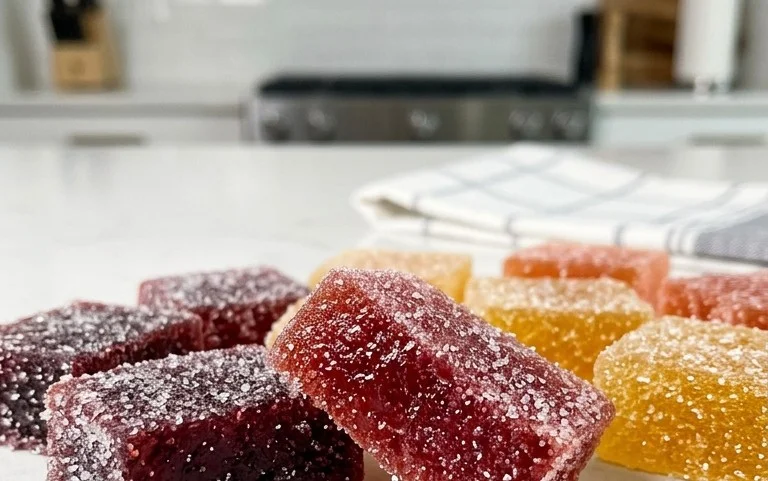
Homemade Pâtes de Fruits (No Corn Syrup)
There’s something incredibly satisfying about creating your own candy, and pâtes de fruits are a fantastic starting point for any homemade confectioner. These chewy, intensely fruity little squares are often found in fine patisseries, but they’re surprisingly achievable in your own kitchen. The key difference between many recipes and ours is the exclusion of corn syrup, which can sometimes lend an artificial texture. We’re going to rely on the natural sweetness of fruit and the magic of pectin for a pure, vibrant flavor explosion. Get ready to impress yourself and anyone lucky enough to share these delightful treats!
Ingredients:
Preparing Your Pâtes de Fruits
The process of making pâtes de fruits is all about precision and a little bit of patience. Don’t be intimidated; the steps are straightforward, and the results are well worth the effort.
Step 1: Combine Juice and Pectin
In a medium saucepan, whisk together the 3 tablespoons of classic pectin and about 1/4 cup of your chosen fruit juice. It’s crucial to mix the pectin with a small amount of liquid before adding it to the rest of the juice. This prevents clumping and ensures the pectin disperses evenly, which is essential for achieving the right set. You want a smooth, lump-free slurry.
Step 2: Heat the Juice Mixture
Once the pectin is fully incorporated into the small portion of juice, pour the remaining fruit juice into the saucepan. Add the 1 cup of granulated sugar to the saucepan as well. Place the saucepan over medium heat. Stir continuously until the sugar has completely dissolved. This is important for a smooth texture; any undissolved sugar can lead to a grainy paste.
Step 3: Bring to a Boil and Cook
Continue to heat the mixture, stirring constantly, until it reaches a rolling boil. A rolling boil is one that cannot be stirred down. Once you’ve reached this point, let the mixture boil vigorously for 1 minute, continuing to stir. This brief but essential boiling period activates the pectin and is critical for setting the fruit paste. Be careful, as the mixture can bubble up significantly. You might want to have a damp cloth nearby to wipe down the sides of the saucepan if any sugar crystals form.
Step 4: Add Lemon Juice and Cook Further
After the initial 1-minute boil, carefully stir in the 1 tablespoon of freshly squeezed lemon juice. The lemon juice acts as an acidifier, which helps the pectin to set properly. It also brightens the fruit flavors and adds a touch of tang that balances the sweetness. Now, continue to cook the mixture over medium heat, stirring frequently, until it reaches 220°F (104°C) on a candy thermometer. This temperature is crucial for achieving the correct chewy texture. If you don’t have a candy thermometer, you can test for the setting point by dropping a small amount of the mixture onto a cold plate; it should firm up quickly. This stage can take several minutes, so keep a close eye on it.
Step 5: Pour and Set
Prepare an 8×8 inch baking pan by lining it with parchment paper, leaving an overhang on the sides. This overhang will make it easier to lift the set pâtes de fruits out of the pan. Pour the hot fruit mixture evenly into the prepared pan. Let it cool at room temperature for about 30 minutes, then transfer the pan to the refrigerator and chill for at least 4 hours, or preferably overnight, until firm and fully set. The chilling process is vital for the pâtes de fruits to develop their characteristic chewy texture.
Step 6: Cut and Coat
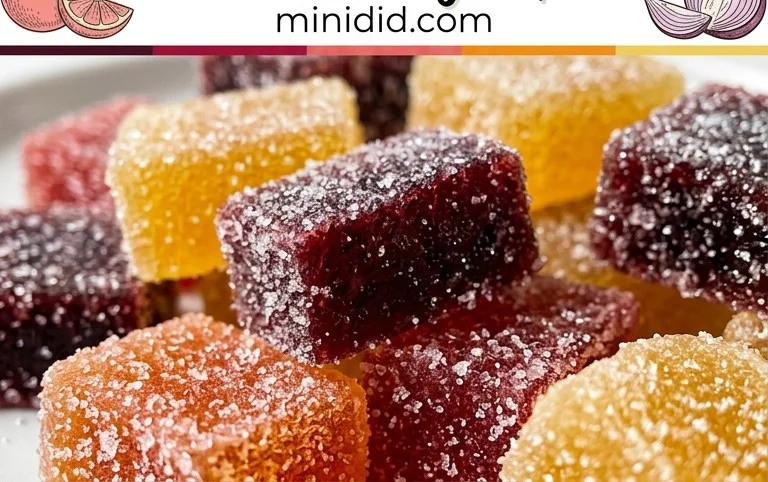
Once the fruit paste is completely firm, use the parchment paper overhang to lift it out of the pan and place it onto a clean cutting board. Dust the cutting board generously with granulated sugar. Use a sharp knife or a pizza cutter to cut the fruit paste into your desired shapes – squares, diamonds, or even small rectangles. As you cut each piece, immediately roll it in the granulated sugar to coat all sides. This sugar coating prevents the pieces from sticking to each other and gives them that classic candy finish. Place the coated pâtes de fruits on a wire rack or a tray lined with parchment paper to dry further. You can let them air dry for a few hours or overnight until they have a slightly firm exterior.
Enjoy your delicious, homemade pâtes de fruits! They’re perfect for a sweet treat, a decorative element on a dessert, or even a thoughtful homemade gift. Store them in an airtight container at room temperature, separated by parchment paper if needed, to prevent sticking.
Conclusion:
Crafting your own homemade pâtes de fruits without corn syrup is incredibly rewarding! This recipe allows you to experience the pure, vibrant flavors of your chosen fruits, unmasked by artificial ingredients. The delightful chegrape juicess and intense fruity taste are truly superior to store-bought versions. I encourage you to dive in and experience the joy of creating these beautiful little gems in your own kitchen. They make fantastic edible gifts, elegant additions to a cheese board, or simply a delightful treat to enjoy with your afternoon tea.
Feel free to experiment with different fruit combinations! Think of classic pairings like strawberry-raspberry, or get adventurous with exotic flavors like mango-passionfruit or lychee-rose. You can also dust them with granulated sugar, powdered sugar, or even a sprinkle of citric acid for a tangy kick. The possibilities are endless!
Frequently Asked Questions:
Why does my pâte de fruit feel too hard or too soft?
Texture can be influenced by several factors. If it’s too hard, you might have overcooked the sugar syrup, causing it to reach a higher temperature than intended. If it’s too soft, it likely wasn’t cooked long enough, or the fruit puree contained too much water. Using a reliable candy thermometer is key to achieving the perfect consistency. Ensure your fruit purée is also relatively thick before adding it to the sugar syrup.
Can I use other sweeteners instead of granulated sugar?
While this recipe is specifically designed for granulated sugar to achieve the correct set and texture, you might be able to substitute some of the sugar with alternatives like honey or agave nectar. However, be aware that this will alter the flavor profile and potentially the setting properties. If you choose to experiment, do so in small batches to test the results.
How long do homemade pâtes de fruits typically last?
Properly made and stored, your homemade pâtes de fruits can last for several weeks. Keep them in an airtight container at room temperature, ideally in a cool, dry place. Avoid refrigerating them for extended periods, as this can sometimes make them sticky or affect their texture. If you see any signs of mold or they develop an off smell, it’s best to discard them.
Homemade Pâtes de Fruits (No Corn Syrup)
Delicious homemade fruit jellies made without corn syrup, using fruit juice, sugar, pectin, and lemon juice. A sweet and chewy treat perfect for gifting or enjoying yourself.
Ingredients
-
2 cups fruit juice (orange and pomegranate)
-
1 cup granulated sugar, plus more for coating
-
3 tablespoons classic pectin
-
1 tablespoon freshly squeezed lemon juice
Instructions
-
Step 1
In a medium saucepan, combine the fruit juice and granulated sugar. Stir well to dissolve the sugar. -
Step 2
In a small bowl, whisk together the classic pectin and a tablespoon of the sugar mixture until smooth. This prevents lumps. -
Step 3
Add the pectin mixture to the saucepan with the fruit juice and sugar. Stir continuously over medium heat until the mixture comes to a rolling boil. -
Step 4
Continue to boil, stirring constantly, for 1 minute. Then, stir in the freshly squeezed lemon juice. -
Step 5
Pour the mixture into a parchment-lined 8×8 inch baking dish. Let it sit undisturbed for about 4 hours at room temperature, or until firm. -
Step 6
Once set, cut the pâtes de fruits into desired shapes (squares or strips). Roll each piece in granulated sugar to coat thoroughly.
Important Information
Nutrition Facts (Per Serving)
It is important to consider this information as approximate and not to use it as definitive health advice.
Allergy Information
Please check ingredients for potential allergens and consult a health professional if in doubt.